Rose/House by Arkady Martine
Rose/House, a novella by Arkady Martine, is a mood. It is not a cautionary AI screed. It is not another take on a locked room mystery – although that format drives the plot. Rather, in less than 200 pages, Martine creates a creepy, melancholy atmosphere that permeates a quality nugget of science fiction bordering on horror.
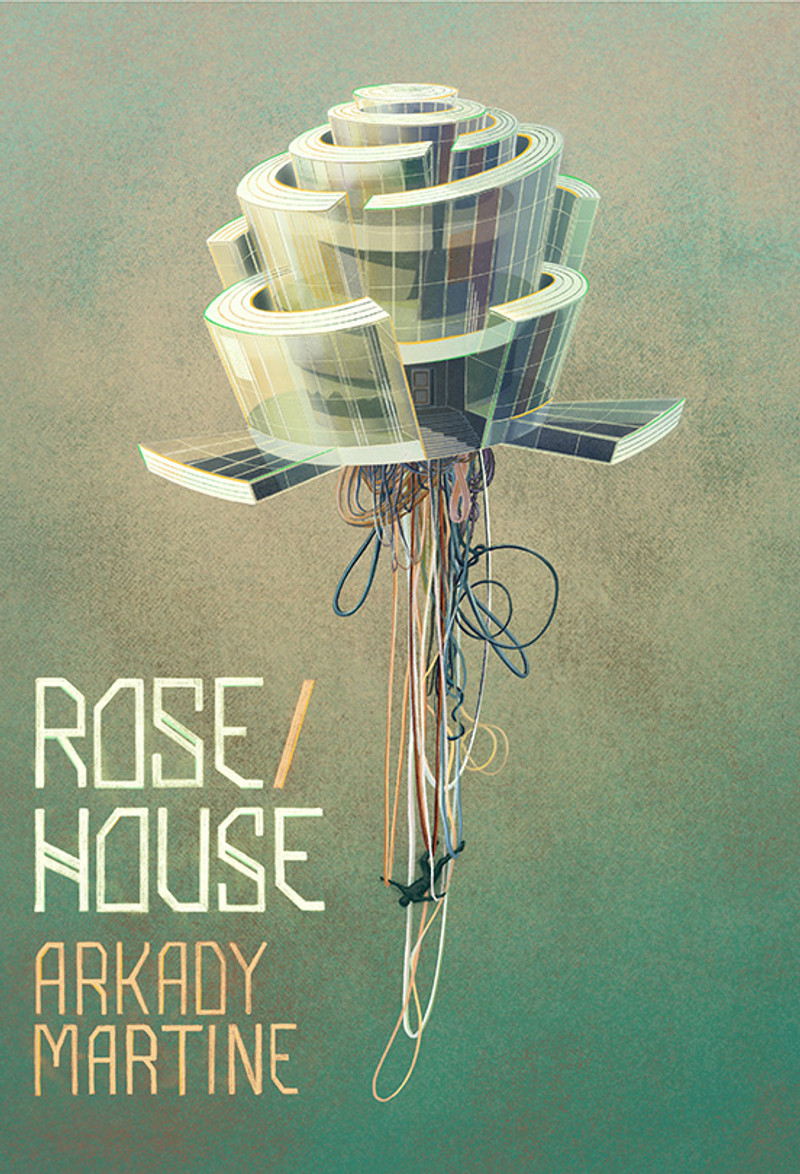
It is unfair to compare Rose/Hose to Martine's other books, A Memory Called Empire or its sequel, A Desolation Called Peace. Both of those full-length novels are outstanding works of science fiction. Both present fascinating, well-developed characters that I cared about and cheered for. Both were opinionated and, through well-developed plot and characterization, proved their theses. Perhaps it is not possible to do the same in a novella, but Rose/House has a lot to like.
The format of a novella does not give room for pages and pages of world building. And yet, Martine embeds sufficient facts about the book's world to feel grounded. Within that grounded world, Martine succeeds in creating a palpable eeriness, justifying the character's fears and actions.
By total coincidence, I read Rose/House right after Benjamín Labatut's When We Cease to Understand the World. Labatut's book was far more unsettling; Rose/House had a plot. But both left me with similar feelings. In a way, both feel like fever dreams. To that extent, I agree with this thoughtful review at Tar Vol on:
Ultimately, it's more of a fever dream than a murder mystery. And I'm never quite sure what to take away from books that feel like fever dreams. The prose is beautiful, and there are so many passages ready to mine for reflections on personhood, self-deception, hero worship, and unhealthy mentor/student relationships. But at the same time, it never really feels like a cohesive whole, and two weeks after finishing, I don't even remember whether they actually identified the murderer. It's easy to say that it's just not that kind of story, but I also tend to enjoy books more if I have something to hang onto at the end.
Sometimes, I do know what to take away from fever dream books. For instance, Piranesi by Susanna Clark washed over me and confused me and, ultimately, moved me. (Please, I am begging, if you intend to read Piranesi, do not read a synopsis or reviews first. Go in cold.) Rose/House and Piranesi are very different books but have themes in common. Piranesi is exceptional. Rose/House is good.
Tags: BooksSubscribe: RSS/Atom feed for your reader of choice.